
Does Screen Time Impact My Kid’s Nearsightedness?
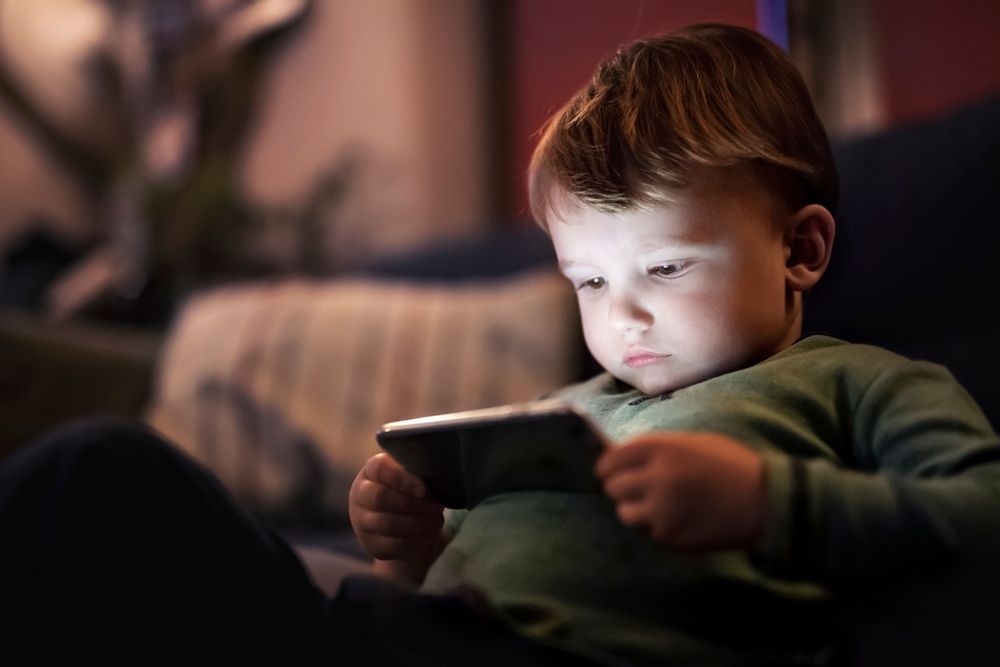
Nearsightedness is becoming increasingly common in children, and screen time is often blamed as the main cause. While screens aren’t the whole story, how and how often children use them can impact developing eyes. Let’s explore the connection between screen time and myopia, and how proactive care can help protect your child’s vision.
Understanding Nearsightedness in Kids
Nearsightedness makes distant objects look blurry while close-up vision remains clear. It often begins in childhood and can worsen as kids grow. Today, more children are becoming nearsighted at younger ages than ever before - a trend that has raised important questions about lifestyle factors, including screen use.
Does Screen Time Cause Myopia?
Screen time itself isn’t the sole cause of nearsightedness, but it does play a role. The bigger concern is prolonged near work - activities that require focusing up close for long periods, such as reading, writing, or using digital devices. Screens tend to encourage long stretches of near work without breaks, which can contribute to eye strain and may increase the risk of myopia progression in children who are already predisposed.
Genetics also matter. If one or both parents are nearsighted, a child has a higher chance of developing myopia. Screen habits can add to that risk when combined with limited outdoor time.
The Protective Power of Outdoor Time
One of the most consistent findings in vision research is the benefit of time spent outdoors. Natural light and looking at objects at varying distances appear to help slow the onset of nearsightedness. Children who spend at least one to two hours outside each day tend to have a lower risk of developing myopia, even if they use screens regularly.
Healthy Screen Habits for Kids
You don’t have to eliminate screens entirely. Instead, focus on balance:
- Encourage regular breaks using the 20-20-20 rule: every 20 minutes, look at something 20 feet away for 20 seconds
- Make outdoor play a daily priority
- Set reasonable limits on recreational screen time
- Ensure screens are held at a comfortable distance and used in good lighting
Where Myopia Management Comes In
If your child is already nearsighted, the goal isn’t just clearer vision - it’s slowing progression. That’s where myopia management comes into play. Myopia management is a proactive approach that goes beyond standard glasses to help reduce how quickly nearsightedness worsens over time.
Depending on your child’s needs, myopia management may include:
- Specialized lenses or contact lenses designed to slow eye growth
- Customized treatment plans based on age, prescription, and lifestyle
- Ongoing monitoring to track changes and adjust care as needed
Schedule Your Child’s Eye Exam Today
Screen time alone isn’t the enemy, but too much near work without balance can contribute to nearsightedness in kids. By pairing healthy screen habits with plenty of outdoor time and considering myopia management when appropriate, parents can take meaningful steps to protect their child’s vision now and for the future.
Concerned about your child’s screen time or changing vision? Schedule a comprehensive eye exam at Wood Vision Source to learn whether myopia management is right for your child. Visit our office in San Antonio, Texas, or call (210) 796-0079 to book an appointment today.
Helpful Articles
article_category: products
article_category: psychiatry
article_category: faqs
article_category: cats
article_category: general
article_category: services
article_category: technology
article_category: dogs
article_category: restorative
article_category: vision therapy
article_category: contact lenses
article_category: health
article_category: conditions
article_category: eye surgery co-management
article_category: exotic
article_category: cosmetic
article_category: surgical procedures
article_category: aesthetics
article_category: preventative
article_category: ocular disease management
article_category: eyeglasses
article_category: eye health
article_category: large animal
[]
article_category: psychiatry
article_category: faqs
article_category: cats
article_category: general
article_category: services
article_category: technology
article_category: dogs
article_category: restorative
article_category: vision therapy
article_category: contact lenses
article_category: health
article_category: conditions
article_category: eye surgery co-management
article_category: exotic
article_category: cosmetic
article_category: surgical procedures
article_category: aesthetics
article_category: preventative
article_category: ocular disease management
article_category: eyeglasses
article_category: eye health
article_category: large animal
[]
Flowbite is an open-source library of interactive components built on top of Tailwind CSS including buttons, dropdowns, modals, navbars, and more.
Check out this guide to learn how to get started and start developing websites even faster with components on top of Tailwind CSS.
All Eye Care Services
Find personalized eye care excellence with our comprehensive services. From eye exams to advanced diagnostics, trust us for all your vision needs.

Keep In Touch
For non-urgent questions or to learn more about our services, contact us today!
Quick Links
Our Services
Contact Info
- 8910 Bandera Rd, Ste 105
San Antonio, TX 78250 - Phone: (210) 796-0079
- Fax: (210) 682-5838
Hours of Operation
- Monday 9:00am - 6:00pm
- Tuesday 9:00am - 6:00pm
- Wednesday 9:00am - 6:00pm
- Thursday 9:00am - 6:00pm
- Friday 9:00am - 5:00pm
- Saturday Closed
- Sunday Closed
- Monday
- Tuesday
- Wednesday
- Thursday
- Friday
- Saturday
- Sunday
- Monday
- Tuesday
- Wednesday
- Thursday
- Friday
- Saturday
- Sunday
© 2026 Wood Vision Source. All rights Reserved - Accessibility Statement - Privacy Policy - Sitemap
Managed and Designed by 