
Understanding Myopia in Children: Causes, Progression & Treatment
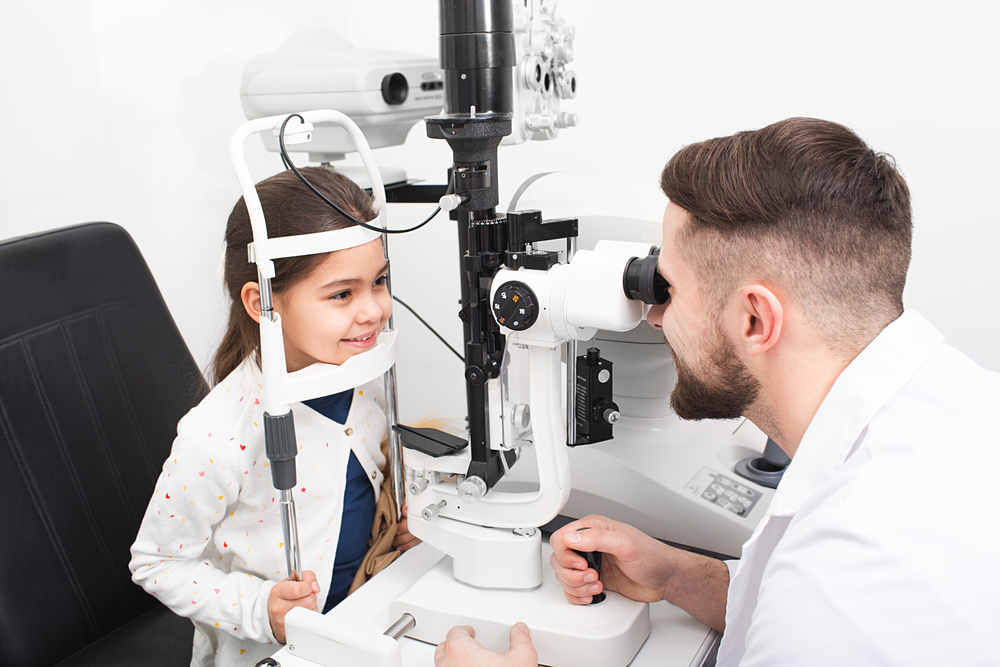
As children grow, so do their eyes and sometimes that growth can affect how well they see. One of the most common vision conditions among children today is myopia, also known as nearsightedness. Understanding what causes myopia, how it progresses, and the available treatment options can help parents protect their child’s vision and long-term eye health.
What Is Myopia?
Myopia occurs when the eye grows too long from front to back or when the cornea is too curved. This causes light to focus in front of the retina instead of directly on it, making distant objects appear blurry while close-up objects remain clear. Children with myopia may squint to see the board at school, sit too close to the TV, or complain of frequent headaches or eye strain.
Common Causes of Myopia in Children
Myopia tends to run in families, but genetics aren’t the only factor. Modern lifestyles contribute significantly to its rise, with children spending more time indoors and on digital devices. Limited outdoor activity and prolonged near work - such as reading or screen time - are linked to an increased risk of developing myopia.
How Myopia Progresses
Myopia often develops in early school years and can progress rapidly as a child grows. Without proper monitoring, the prescription can increase year after year. Higher levels of myopia not only mean stronger glasses but also a greater risk of serious eye conditions later in life, including retinal detachment, glaucoma, and macular degeneration.
The Importance of Regular Pediatric Eye Exams
Early detection is key in slowing myopia progression. Regular pediatric eye exams in San Antonio allow our optometrist to identify early signs of vision changes before they impact learning or daily life. Even if your child passes a school vision screening, it doesn’t replace a comprehensive eye exam by an eye doctor in San Antonio who specializes in children’s vision and eye health.
Myopia Management: Effective Treatment Options
At Wood Vision Source, we offer advanced myopia management solutions to help slow or control the progression of nearsightedness. These include:
• MiSight® 1 day lenses: The first FDA-approved soft contact lenses proven to slow myopia progression in children. These dual-focus lenses correct vision while signaling the eye to slow its growth.
• Orthokeratology (Ortho-K): Specially designed overnight contact lenses that gently reshape the cornea while your child sleeps, providing clear vision during the day without contacts or glasses.
• Atropine eye drops: Low-dose atropine has been shown to effectively slow eye growth in children with progressive myopia and is easy to use as part of a nightly routine.
Each treatment plan is customized based on your child’s age, prescription, and lifestyle to ensure the best long-term results.
Partner with Wood Vision Source for Expert Pediatric Eye Care
Myopia in children is becoming more common, but with early detection and proactive treatment, its progression can be managed effectively. By scheduling regular pediatric eye exams in San Antonio, you’re helping safeguard your child’s vision for years to come.
If your child has trouble seeing distant objects, contact Wood Vision Source to learn more about myopia management options and how we can help protect your child’s vision. Visit our office in San Antonio, Texas, or call (210) 796-0079 to book an appointment today.
Helpful Articles
article_category: products
article_category: psychiatry
article_category: faqs
article_category: cats
article_category: general
article_category: services
article_category: technology
article_category: dogs
article_category: restorative
article_category: vision therapy
article_category: contact lenses
article_category: health
article_category: conditions
article_category: eye surgery co-management
article_category: exotic
article_category: cosmetic
article_category: surgical procedures
article_category: aesthetics
article_category: preventative
article_category: ocular disease management
article_category: eyeglasses
article_category: eye health
article_category: large animal
[]
article_category: psychiatry
article_category: faqs
article_category: cats
article_category: general
article_category: services
article_category: technology
article_category: dogs
article_category: restorative
article_category: vision therapy
article_category: contact lenses
article_category: health
article_category: conditions
article_category: eye surgery co-management
article_category: exotic
article_category: cosmetic
article_category: surgical procedures
article_category: aesthetics
article_category: preventative
article_category: ocular disease management
article_category: eyeglasses
article_category: eye health
article_category: large animal
[]
Flowbite is an open-source library of interactive components built on top of Tailwind CSS including buttons, dropdowns, modals, navbars, and more.
Check out this guide to learn how to get started and start developing websites even faster with components on top of Tailwind CSS.

All Eye Care Services
Find personalized eye care excellence with our comprehensive services. From eye exams to advanced diagnostics, trust us for all your vision needs.

Keep In Touch
For non-urgent questions or to learn more about our services, contact us today!
Quick Links
Our Services
Contact Info
- 8910 Bandera Rd, Ste 105
San Antonio, TX 78250 - Phone: (210) 796-0079
- Fax: (210) 682-5838
Hours of Operation
- Monday 9:00am - 6:00pm
- Tuesday 9:00am - 6:00pm
- Wednesday 9:00am - 6:00pm
- Thursday 9:00am - 6:00pm
- Friday 9:00am - 5:00pm
- Saturday Closed
- Sunday Closed
- Monday
- Tuesday
- Wednesday
- Thursday
- Friday
- Saturday
- Sunday
- Monday
- Tuesday
- Wednesday
- Thursday
- Friday
- Saturday
- Sunday
© 2026 Wood Vision Source. All rights Reserved - Accessibility Statement - Privacy Policy - Sitemap
Managed and Designed by 