What to Expect During a Medical Eye Exam vs a Routine Vision Test
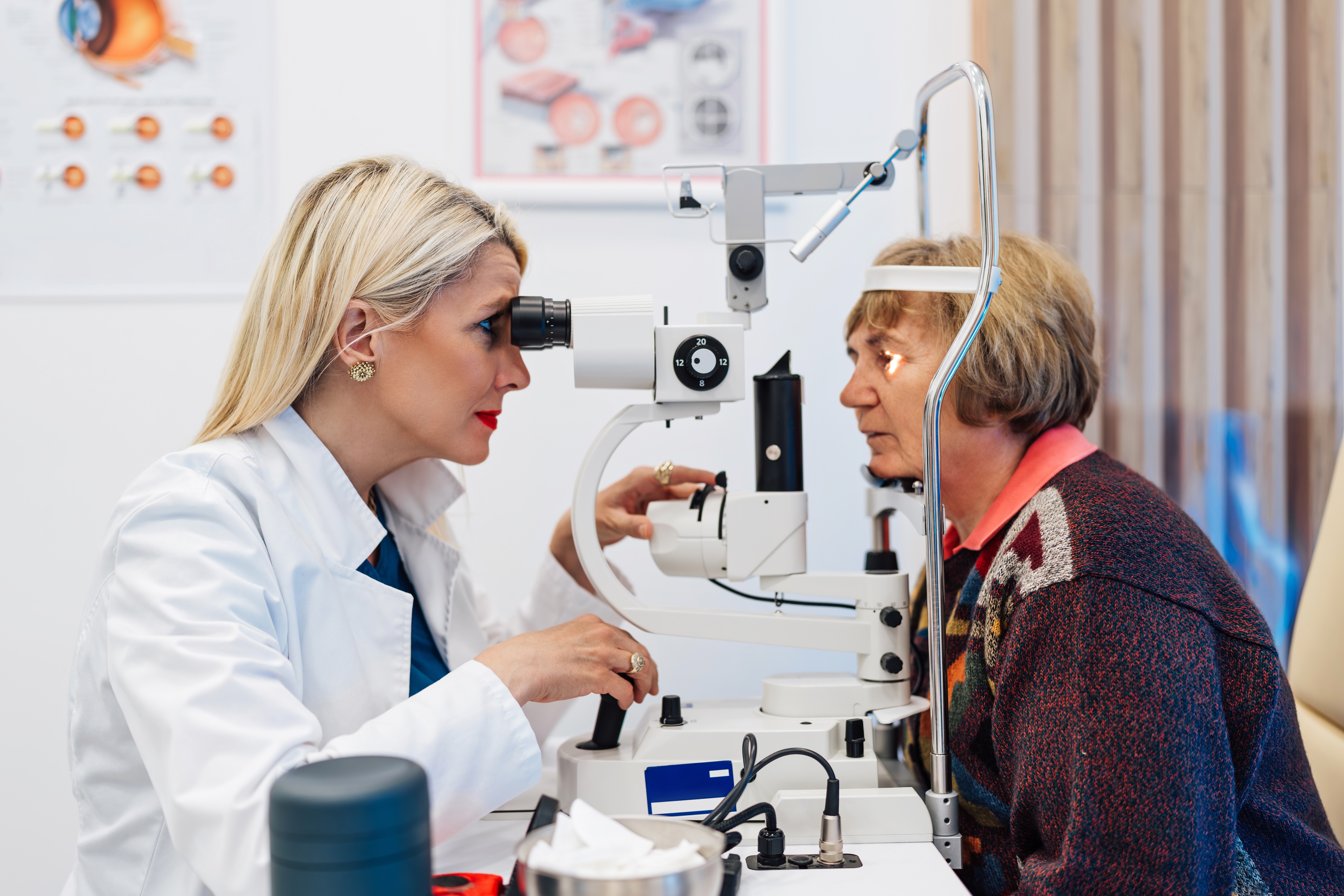
Not all eye visits are the same. A routine vision test usually focuses on how clearly you see and whether you need glasses or contact lenses. A medical eye exam looks deeper, evaluating eye health concerns, symptoms, disease risk, and conditions that may affect your vision over time. For patients in San Antonio, understanding the difference can help you schedule the right type of appointment.
At Wood Vision Source, eye care includes comprehensive eye exams, medical and urgent eye care, advanced diagnostics, and treatment options for a wide range of vision and eye health needs.
What Is A Routine Vision Test?
A routine vision test is often used to check visual clarity and update a prescription. This type of visit may include reading an eye chart, checking how your eyes focus, and determining whether glasses or contact lenses can improve your sight.
For many San Antonio patients, a routine vision test is helpful when vision feels blurry, glasses no longer feel sharp, or it has been a while since the last prescription update. While this type of exam is important, it may not fully address eye pain, redness, disease monitoring, injury, or other medical concerns.
What Is A Medical Eye Exam?
A medical eye exam is focused on diagnosing, monitoring, or treating an eye health issue. This may be needed if you have symptoms such as eye pain, sudden blurry vision, flashes, floaters, light sensitivity, redness, infection, dry eye, or a history of eye disease.
Medical eye exams may also be recommended for patients with diabetes, glaucoma risk, cataracts, macular degeneration, eye injuries, inflammatory conditions, or other health concerns that can affect the eyes. In San Antonio, these exams are important because many eye diseases can develop before noticeable symptoms appear.
Key Differences Between The Two Visits
Both exams can be valuable, but they serve different purposes. A routine vision test helps determine how well you see, while a medical eye exam evaluates the health of the eye and any symptoms or conditions that may require treatment.
A medical eye exam may include:
- A detailed review of symptoms and medical history
- Eye pressure testing to screen for glaucoma risk
- Retinal evaluation or imaging
- Assessment of the cornea, lens, optic nerve, and macula
- Dry eye evaluation when irritation or burning is present
- Diagnosis and treatment planning for eye disease or urgent concerns
These steps help your San Antonio eye doctor understand what is causing your symptoms and what kind of care may be needed.
When A Routine Vision Test May Be Enough
A routine vision test may be appropriate if your main concern is updating your glasses or contact lens prescription and you are not experiencing any eye health symptoms. It can help determine whether changes in nearsightedness, farsightedness, astigmatism, or age-related near vision are affecting your clarity.
However, even routine exams can uncover signs that further evaluation is needed. If your eye doctor notices anything unusual, they may recommend additional testing or a medical eye exam to take a closer look.
When You Need A Medical Eye Exam
You should schedule a medical eye exam if you are experiencing sudden vision changes, eye pain, redness, discharge, injury, new floaters, flashes of light, severe dryness, or sensitivity to light. These symptoms may be related to infections, inflammation, retinal concerns, corneal problems, or other conditions that need prompt attention.
Patients in San Antonio with diabetes, high blood pressure, autoimmune conditions, a family history of glaucoma, or previous eye surgery may also need medical eye exams more often. These visits help monitor changes and support early detection.
Why The Right Exam Matters
Choosing the right type of exam helps your eye care team address your needs more accurately. If your concern is mostly prescription-related, a routine vision test may be the right starting point. If you have symptoms, disease risk, or an ongoing eye condition, a medical eye exam provides a more complete evaluation.
Insurance may also differ depending on whether the visit is routine or medical. Your eye care team can help explain what type of exam fits your symptoms and what to expect during your appointment.
Protecting Vision With Comprehensive Care
Healthy vision is about more than reading the smallest line on an eye chart. Regular eye care can help detect changes early, monitor chronic conditions, and address symptoms before they become more serious. For San Antonio patients, both routine vision tests and medical eye exams play an important role in protecting long-term eye health.
Schedule an eye exam with Wood Vision Source in San Antonio, TX, located at 8910 Bandera Rd, Ste 105, by calling (210) 796-0079.
Helpful Articles
article_category: products
article_category: psychiatry
article_category: faqs
article_category: cats
article_category: general
article_category: services
article_category: technology
article_category: dogs
article_category: restorative
article_category: vision therapy
article_category: contact lenses
article_category: health
article_category: conditions
article_category: eye surgery co-management
article_category: exotic
article_category: cosmetic
article_category: surgical procedures
article_category: aesthetics
article_category: preventative
article_category: ocular disease management
article_category: eyeglasses
article_category: eye health
article_category: large animal
[]
article_category: psychiatry
article_category: faqs
article_category: cats
article_category: general
article_category: services
article_category: technology
article_category: dogs
article_category: restorative
article_category: vision therapy
article_category: contact lenses
article_category: health
article_category: conditions
article_category: eye surgery co-management
article_category: exotic
article_category: cosmetic
article_category: surgical procedures
article_category: aesthetics
article_category: preventative
article_category: ocular disease management
article_category: eyeglasses
article_category: eye health
article_category: large animal
[]
Flowbite is an open-source library of interactive components built on top of Tailwind CSS including buttons, dropdowns, modals, navbars, and more.
Check out this guide to learn how to get started and start developing websites even faster with components on top of Tailwind CSS.
All Eye Care Services
Find personalized eye care excellence with our comprehensive services. From eye exams to advanced diagnostics, trust us for all your vision needs.

Keep In Touch
For non-urgent questions or to learn more about our services, contact us today!
Quick Links
Our Services
Contact Info
- 8910 Bandera Rd, Ste 105
San Antonio, TX 78250 - Phone: (210) 796-0079
- Fax: (210) 682-5838
Hours of Operation
- Monday 9:00am - 6:00pm
- Tuesday 9:00am - 6:00pm
- Wednesday 9:00am - 6:00pm
- Thursday 9:00am - 6:00pm
- Friday 9:00am - 5:00pm
- Saturday Closed
- Sunday Closed
- Monday
- Tuesday
- Wednesday
- Thursday
- Friday
- Saturday
- Sunday
- Monday
- Tuesday
- Wednesday
- Thursday
- Friday
- Saturday
- Sunday
© 2026 Wood Vision Source. All rights Reserved - Accessibility Statement - Privacy Policy - Sitemap
Managed and Designed by 